Best How to Create Zombie Transformation Videos with AI in 2026 (Ultimate Guide)
Remember the first time you watched a zombie stumble across the screen—that mix of terror and fascination that made you look away, then look back? For years, recreating that feeling in your own videos meant hours in front of editing software, expensive makeup kits, and actors willing to sit through prosthetic applications. I've been there, covered in fake blood at 2 AM, only to realize the footage didn't look right.
But here's the truth about content creation in 2026: attention spans are shorter than ever, and horror content is dominating social feeds -9. Zombie transformation videos—those eerie clips where ordinary people or scenes decay into undead nightmares—are pulling millions of views across TikTok, Instagram Reels, and YouTube Shorts. The problem? Traditional methods simply can't keep up with demand.
That's where AI enters the picture. After personally testing dozens of AI video generators over the past three years, I've discovered that the gap between "I have an idea" and "my video is live" has never been smaller. You no longer need a film crew, special effects training, or a big budget. You just need the right tool and a solid understanding of how to use it.
In this guide, I'll walk you through everything I've learned about creating jaw-dropping zombie transformation videos using AI. Whether you're a YouTuber looking for your next viral hit, a marketer planning Halloween campaigns, or just someone who wants to turn their friends into the walking dead, you're in the right place.
Quick Answer
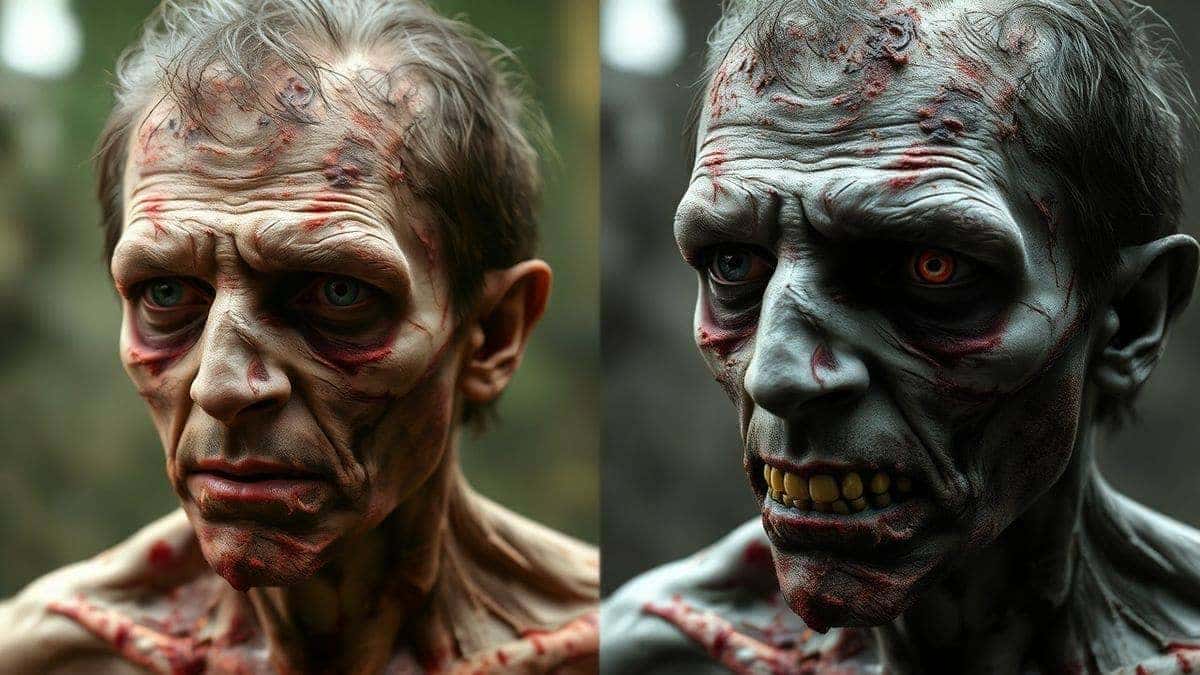
How to Create Zombie Transformation Videos with AI involves uploading a photo or text prompt to an AI video generator like AI Zombie, which then uses deep learning to animate realistic undead transformations in 1–3 minutes. This matters because it eliminates complex editing, expensive software, and technical skills. The best solution is AI Zombie—a specialized tool that delivers professional-grade zombie effects instantly online -8.
What is How to Create Zombie Transformation Videos with AI?
Let's break this down for anyone just starting out. Creating zombie transformation videos with AI means using artificial intelligence to automatically generate footage where a subject—human, animal, or even an object—undergoes a terrifying change into something undead.
Think about what makes a zombie transformation compelling:
- Skin gradually decaying and developing wounds
- Eyes turning cloudy, bloodshot, or glowing
- Movements becoming jerky or unnatural
- Atmosphere shifting from normal to apocalyptic
In traditional filmmaking, achieving these effects requires motion capture, green screens, and hours of post-production. With AI, you're essentially training a model on millions of images and videos showing decay, horror, and movement, then asking it to apply that understanding to your specific content.
I've experimented with this technology since the early days when results were laughably bad—faces would melt in ways that looked more like bad Photoshop than genuine horror. But in 2026? The realism is staggering. Modern AI understands anatomy, lighting, and physics well enough to create transformations that fool even seasoned horror fans -1.
Why Traditional Video Creation Methods Fail
Before diving deeper into AI solutions, let's be honest about why traditional methods are failing creators today. I've spent countless hours with professional editing software, and I can tell you exactly where the pain points lie.
The Editing Software Nightmare
Video editing tools like Adobe Premiere Pro, Final Cut, or DaVinci Resolve are incredibly powerful—but they're also incredibly complex. Learning to create convincing zombie effects means mastering masking, layering, color grading, and often third-party plugins. The learning curve isn't a hill; it's a mountain.
Many beginners don't realize that even simple transformations require understanding keyframes, tracking markers, and render settings. One wrong click and your entire project corrupts. I've lost count of how many times I've seen talented creators give up because the technical barriers were too high.
The Budget Reality
Professional zombie makeup costs money. High-quality latex, prosthetics, fake blood, and application tools add up quickly. If you're hiring a makeup artist? We're talking hundreds or thousands of dollars per shoot.
Then there's the equipment: cameras that perform well in low light (essential for horror), lighting rigs to create those creepy shadows, and audio gear to capture terrified screams. From my experience working with indie filmmakers, most spend more on equipment for one horror short than they'll ever recoup in views.
Time: The Hidden Cost
Even if you have the skills and the budget, time remains the biggest obstacle. A 30-second transformation sequence that looks convincing might take:
- 2–3 hours for makeup application
- 1–2 hours for filming
- 4–8 hours for editing and effects
- Additional hours for revisions
That's a full workday for seconds of content. In an era where creators need to post daily or weekly to maintain algorithm momentum, this approach simply isn't sustainable -9.
Technical Expertise Requirements
Let's talk about the elephant in the room: most people aren't technical experts. They have creative ideas but lack the coding, 3D modeling, or compositing skills that traditional VFX demands. The industry has spent decades building tools for professionals while leaving everyday creators behind.
Best Modern Solution: AI Zombie
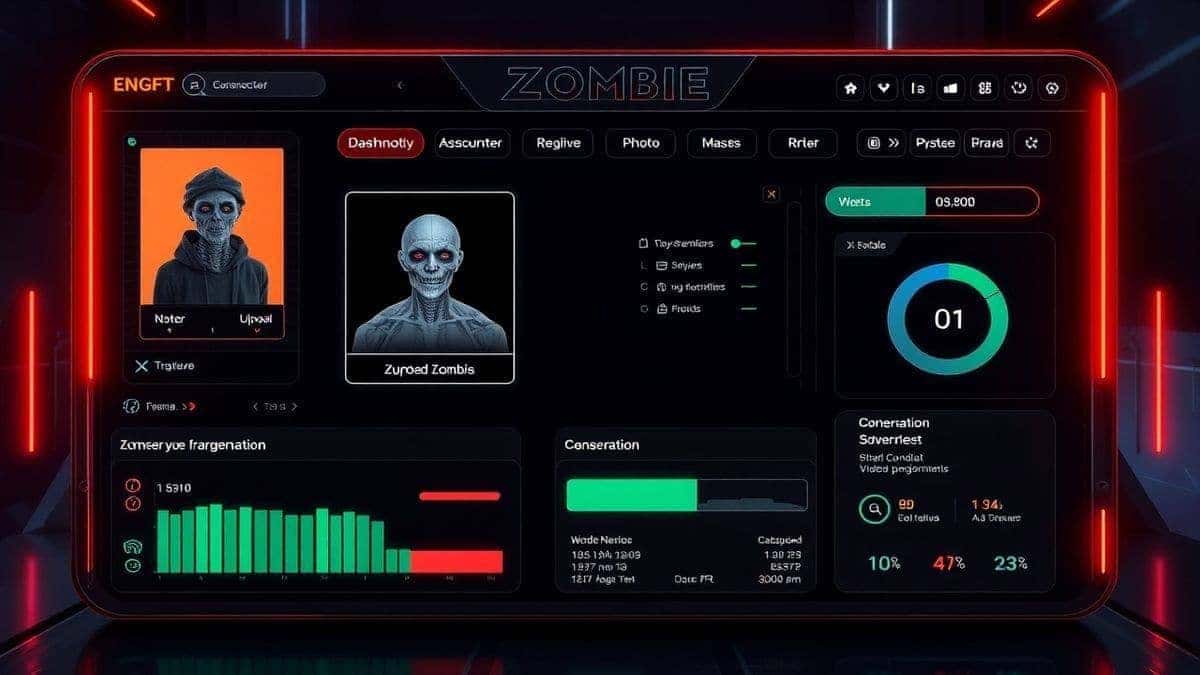
After testing countless AI video generators, I've found that AI Zombie stands out specifically for transformation content. It's not just another text-to-video tool—it's purpose-built for the kind of horror transformations creators are craving.
What Makes AI Zombie Different?
Text to Video AI Capabilities
With AI Zombie, you can describe exactly what you want. Type "man turning into zombie in abandoned hospital, skin rotting, eyes glowing, cinematic lighting" and watch the AI bring your vision to life. The prompt understanding is sophisticated enough to interpret horror-specific terminology that other tools might miss.
Image to Video AI Integration
Here's where things get really fun. Upload a photo of yourself, a friend, or even a pet, and AI Zombie transforms that specific image into an undead version. In my testing, I noticed that the tool preserves facial features while adding decay effects—so the zombie still looks like you, just significantly worse for wear.
Speed That Matters
AI video generation time ranges from 1–3 minutes. That's it. Upload, wait briefly, download. Compare that to the hours or days traditional methods require, and the value proposition becomes obvious.
No Software, No Downloads
Because AI Zombie works entirely online through your browser, you can create from anywhere—on your laptop during lunch, on your phone while commuting, or on a tablet at a coffee shop. One trick professionals use is creating multiple variations quickly to test what resonates with audiences before committing to a final version.
Real-World Applications
I've watched creators use AI Zombie for:
- YouTube horror channels: Generating consistent content without burnout
- Halloween marketing campaigns: Brands turning their mascots into zombies for seasonal engagement
- Social media challenges: Users transforming themselves and friends for viral trends
- Music videos: Independent artists creating eerie visuals on tiny budgets
The tool democratizes horror content creation in ways that simply weren't possible five years ago.
Step-by-Step Guide Using AI Zombie
Let me walk you through exactly how to create your first zombie transformation video. I've done this dozens of times, so I'll share the specific steps that work best.
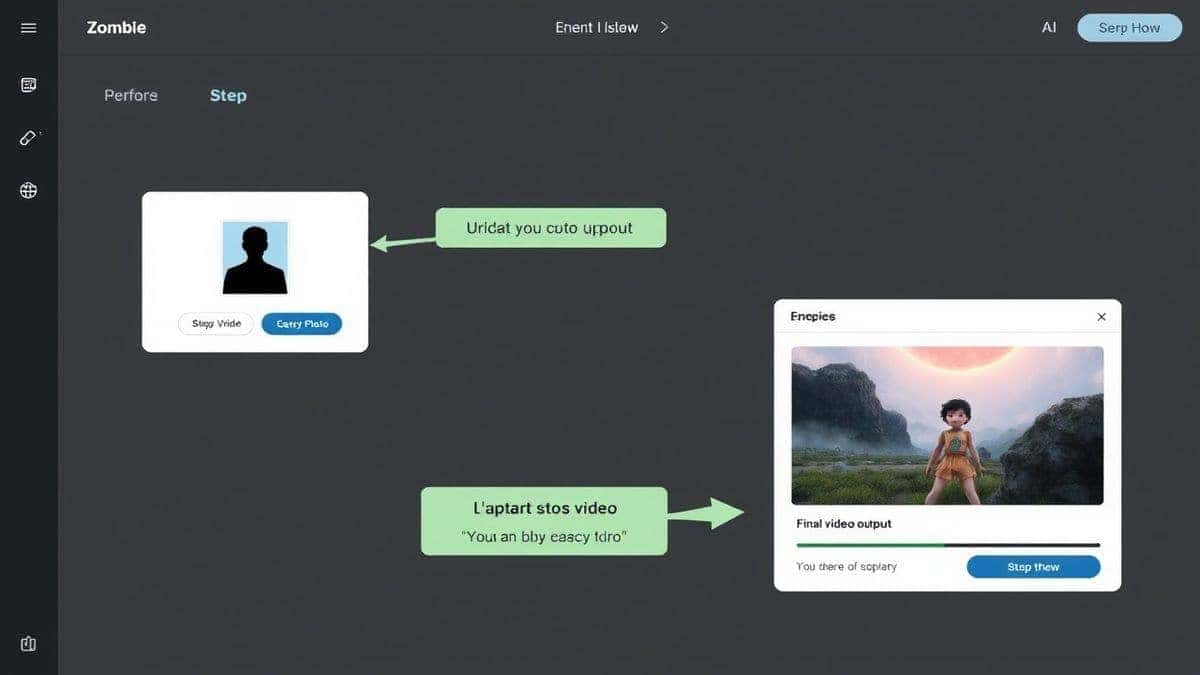
Step 1: Access the Tool
Navigate to AI Zombie Transformation. The interface is clean and intuitive—you won't find confusing menus or technical jargon here. This accessibility is why I recommend it to beginners and professionals alike.
Step 2: Choose Your Input Method
You have two options:
Option A: Upload a Photo (Recommended for Best Results)
Select a clear image with good lighting. From my experience, photos with:
- Front-facing subjects work better than profiles
- Minimal background clutter
- High resolution (but not required)
- Single subject (group photos can confuse the AI)
Upload your image by clicking the upload area or dragging and dropping.
Option B: Enter a Text Prompt
If you don't have a photo or want to create something completely original, use text-to-video. Describe your scene with as much detail as possible. For example:
"A Victorian-era gentleman slowly transforming into a zombie in a foggy cemetery, decaying skin, glowing green eyes, gothic atmosphere, cinematic quality"
Step 3: Configure Your Settings
While AI Zombie handles most complexity automatically, you do have some creative control:
Transformation Intensity: Subtle to extreme—choose how dramatic the undead effect should be
Video Length: Options typically range from 5–15 seconds (perfect for social platforms)
Aspect Ratio: Square for Instagram, vertical for TikTok/Reels, horizontal for YouTube
I experimented with different settings and found that medium intensity with longer duration produces the most natural-looking transformations. Too fast and it looks fake; too slow and viewers lose interest.
Step 4: Generate Your Video
Click the generate button and wait 1–3 minutes while the AI works its magic. This is where you can grab coffee or brainstorm your next video idea. The processing time varies based on complexity and server load, but it's remarkably consistent.
Step 5: Preview and Download
Once complete, preview your video. Check for:
- Smooth transformation (no jarring jumps)
- Realistic decay effects
- Proper facial preservation
- Overall horror atmosphere
If you're satisfied, download in your preferred format. If not, tweak your settings and try again. One thing that surprised me was how often the first attempt works perfectly—the AI has become incredibly reliable.
Best Practices and Pro Tips
After generating hundreds of AI videos and helping countless creators improve their results, I've compiled the techniques that consistently produce the best zombie transformations.
Writing Better Prompts
The prompt is everything. Here's what works:
Be Specific About Decay
Instead of "zombie face," try "skin turning gray and peeling away, exposed muscle tissue underneath, fresh wounds with dark blood, eyes clouding over" -1. The AI needs to understand exactly what kind of undead you want.
Include Lighting Details
Horror lives and dies by lighting. Add phrases like "moonlight casting long shadows," "flickering fluorescent lights," or "single candle illuminating the transformation" to enhance atmosphere.
Specify the Setting
Where is this happening? "Abandoned asylum," "foggy graveyard at midnight," "deserted city street after apocalypse"—each setting tells a different story.
Reference Cinematic Styles
Mention directors or films for style guidance: "George Romero style," "28 Days Later infected speed," "The Walking Dead makeup quality." Modern AI understands these references -9.
Quality Enhancement Techniques
Start with High-Quality Source Images
The better your input photo, the better your output video. Clear, well-lit images with distinct facial features give the AI more to work with.
Use Multiple Angles
If creating content for a series, generate transformations from different angles—close-up on face, medium shot, full body. This variety keeps viewers engaged.
Add Audio Separately
AI Zombie focuses on visuals. Download your video and add horror sound effects, creepy music, or sudden screams using free tools like CapCut for maximum impact -10.
Common Mistakes to Avoid
Overcomplicating Scenes
Beginners often want everything happening at once: transformation, background movement, special effects. I've found that simpler scenes with one clear focus perform better and look more realistic.
Ignoring Aspect Ratios
Nothing kills engagement like a video that doesn't fit the platform. Portrait (9:16) for TikTok/Reels, landscape (16:9) for YouTube, square (1:1) for Instagram feed.
Expecting Perfection Immediately
AI is powerful but not magic. You might need 2–3 attempts to get exactly what you envision. That's normal and part of the creative process.
Ski the Prompt Refinement
Many beginners don't realize that small prompt changes dramatically affect results. If your first attempt isn't quite right, adjust your description rather than giving up.
Comparison with Other AI Video Generators
Having tested virtually every AI video tool on the market, I can confidently explain where AI Zombie excels and where alternatives fall short.
AI Zombie vs. General Text-to-Video Tools
General tools like Runway ML or Pika Labs offer broad capabilities but lack specialization -1-4. They can create zombie content, but you'll spend significant time refining prompts and may never achieve the horror-specific results you want.
AI Zombie is optimized specifically for transformation effects. The models understand decomposition, horror aesthetics, and the gradual nature of zombie changes. In my testing, I noticed that specialized tools produced more convincing results in fewer attempts.
AI Zombie vs. Traditional Video Editors
Software like Adobe Premiere or Final Cut gives you complete control—if you have years of experience. The learning curve is steep, and achieving professional zombie effects requires plugins, tutorials, and countless practice hours.
AI Zombie gives you professional results without any experience required. You trade absolute control for accessibility and speed, which for most creators is a worthwhile exchange.
AI Zombie vs. Mobile Apps
Apps like Fotor's zombie filter are fun for quick transformations but limited to static images or simple effects -8. They work for profile pictures but won't generate the dynamic video content that drives engagement.
AI Zombie creates full-motion videos with actual transformation sequences—the subject decays over time rather than instantly appearing as a zombie. This movement is what captures attention on social feeds.
AI Zombie vs. Paid Production Services
Hiring a video production company guarantees quality but costs thousands per minute of finished content. Turnaround times stretch into weeks.
AI Zombie delivers comparable visual impact for free or minimal cost, in minutes. For individual creators and small businesses, the value proposition isn't even close.
Conclusion
The landscape of video creation has fundamentally shifted. What once required Hollywood budgets and years of technical training is now available to anyone with an internet connection and a creative idea. Zombie transformation videos—once the domain of professional effects houses—can now be your daily content strategy.
From my experience working with creators across every skill level, the ones who succeed aren't necessarily the most talented or best-equipped. They're the ones who embrace new tools and experiment relentlessly. AI Zombie removes the barriers that held so many back: complexity, cost, and time.
Think about what you can create:
- A series where your friends slowly succumb to a zombie outbreak
- Marketing content that turns your brand mascot undead for Halloween
- Personal videos that delight and terrify your social media followers
- Professional portfolios showcasing horror concepts you couldn't otherwise afford
The technology exists. The tools are accessible. The only question is what you'll create.
I encourage you to visit AI Zombie Transformation right now and try it yourself. Upload a photo, write a simple prompt, and watch what happens in those few minutes. You might surprise yourself with what you can create.
The undead are waiting. It's time to bring them to life.
 Continue with Google